
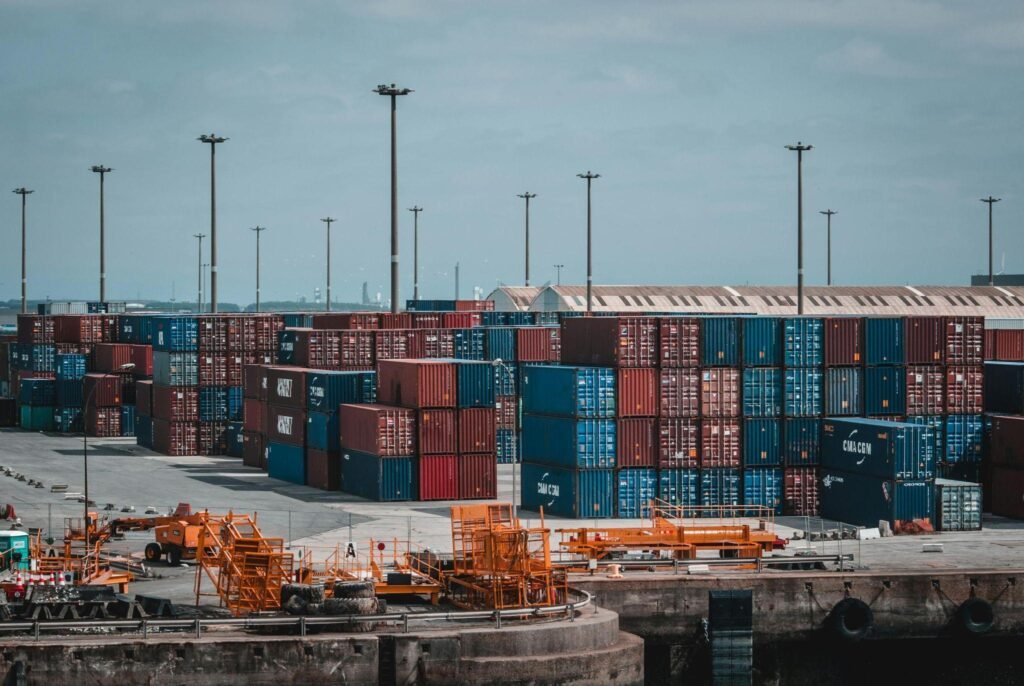
Freight trends are shifting fast as businesses adjust to new pressures, fresh customer demands, and global market shifts. Many companies are already feeling the impact in their daily operations, making it essential to understand where the sector is headed next. The next five years will bring new tools, smarter systems, and a stronger push toward efficiency across freight networks.
Freight Trends That Will Lead the Next Wave of Change
Several freight industry trends are gaining traction worldwide. Some are already in motion, while others are emerging as clear front-runners for future growth.
1. Automation Will Reshape Freight Processes
Freight automation is becoming a major driver in reducing bottlenecks and improving speed. Automated sorting lines, autonomous yard vehicles, and streamlined warehouse systems help companies cut manual tasks and reduce human error. These tools make planning smoother, especially for businesses handling high-volume shipments.
Automation also supports safer work environments. Machines can take over repetitive or high-risk tasks, freeing teams to focus on supervision and problem-solving. As demand continues to rise, many carriers will adopt automation to maintain stable, predictable operations.
2. Digital Freight Technology Will Continue to Expand
Digital freight technology is no longer optional. Companies rely on sensors, cloud platforms, and connected systems to track goods, forecast delivery schedules, and flag issues in real time. This shift improves communication across suppliers, carriers, and customers.
New platforms now provide instant data on truck locations, container temperatures, and port movements. These tools help reduce delays and support better inventory planning. Over the next few years, digital systems will likely become standard across most supply chains, especially as buyers expect complete transparency with every shipment.
3. Shipping Industry Trends Will Center on Sustainability
The shipping sector will continue moving toward environmentally conscious strategies. Fuel-efficient vessels, alternative-fuel trials, and energy-saving transport modes will expand to meet global sustainability goals.
Port authorities are also introducing cleaner loading equipment and encouraging carriers to reduce idle time. Many governments are tightening environmental standards, which will encourage more companies to invest in carbon-lowering initiatives.
4. Data-Driven Forecasting Will Become the Norm
Smart forecasting tools help companies prepare for surges in demand and seasonal disruptions. These systems analyze past behavior, upcoming events, and ongoing trends to anticipate freight needs. More businesses are turning to this approach to stay ahead of delays and cost increases.
Predictive insights are particularly useful in industries with volatile sales cycles. As more carriers invest in advanced data modeling, businesses will have greater control over planning and budgeting.
5. Freight Networks Will Become More Flexible
Companies are shifting away from rigid shipping schedules. Instead, they are adopting flexible transport models that support quick changes when needed. This shift includes multimodal setups, diversified routing, and wider global partnerships.
Flexible structures help reduce risk during sudden market changes. For example, supply chain interruptions, port congestion, or geopolitical events can cause delays. Businesses that spread their networks across multiple transport options can adjust more quickly and maintain steadier operations.
Why These Freight Trends Matter for Growing Businesses
These freight trends reflect a crucial shift toward speed, security, and transparency. Businesses that pay attention to these signals can refine their logistics strategies and reduce future setbacks. With better technology and stronger tools, companies gain more control over planning, tracking, and costs.
For companies seeking support through these changes, working with a capable logistics partner can make a noticeable difference. Kairos Express continues to follow these shifts closely, supporting businesses with dependable transport solutions built for today’s shipping environment.