
When it comes to global shipping, choosing the right transportation method can make or break your supply chain efficiency.
Two of the most common freight options, air freight and sea freight, serve different needs based on factors like speed, cost, cargo type, and destination. At Kairos Express Shipping & Logistics, we help businesses make the right decision based on their priorities. If you’re weighing your options, here’s a comprehensive breakdown to help you decide which freight method is best suited for your business.
1. How Fast Do You Need the Delivery?
Let’s start with speed.
Air freight is the clear winner when timing is everything. Most international air shipments arrive at their destination within one to five days. Whether you’re shipping urgent samples, restocking high-demand products, or delivering perishable goods, air freight gives you a significant edge in speed.
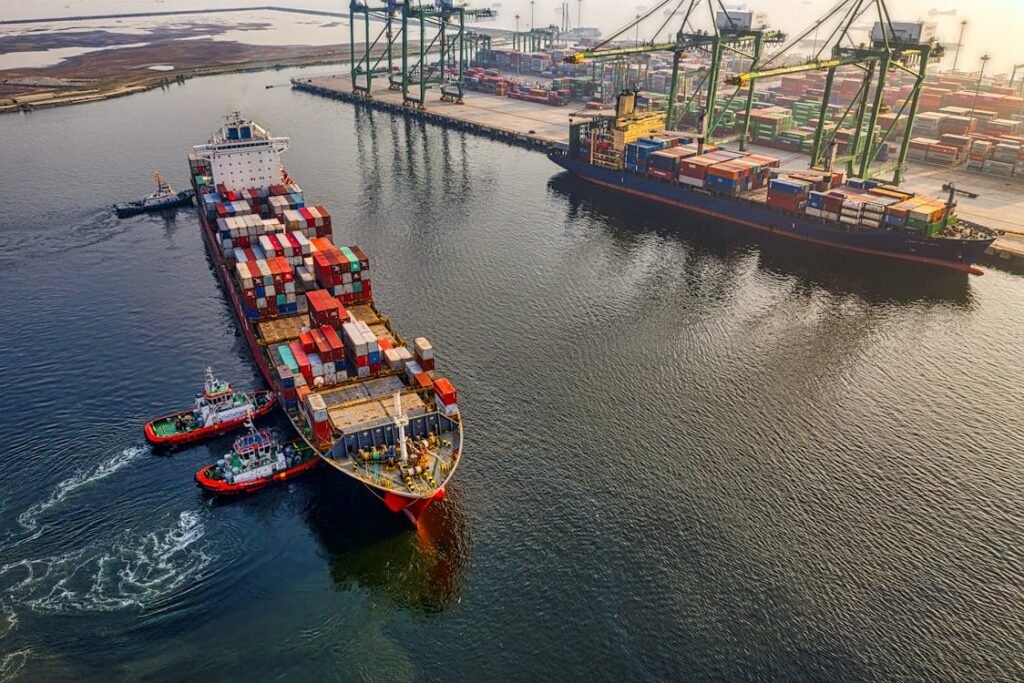
On the other hand, sea freight typically takes two to six weeks, depending on distance and customs procedures. It’s a slower but reliable method, best suited for shipments that aren’t urgent.
Winner: Air Freight
2. What Is Your Budget?
When it comes to cost, sea freight is significantly more affordable.
Air freight is priced based on chargeable weight (whichever is greater: actual or volumetric weight), and rates can add up quickly, especially for heavier items. That makes air freight better for high-value, lightweight goods. In contrast, sea freight is generally charged by container size and is ideal for moving large volumes or heavy items at a lower rate. If your business can manage longer lead times, sea freight offers excellent value for money.
Winner: Sea Freight
3. What Are Your Shipping?
Cargo type and volume play a big role in determining the most suitable method.
Air freight is perfect for lightweight shipments, small electronics, high-value goods, medical equipment, or time-sensitive documents. It’s also the go-to choice for perishable items that require cold storage. Sea freight, however, is ideal for large and bulky items, such as furniture, industrial machinery, raw materials, and cars. Full container loads (FCL) or even less-than-container loads (LCL) can be arranged depending on how much you’re shipping.
Winner: It depends on your cargo. Air for smaller, high-value items; sea for bulky, heavy goods.
4. Which One is More Predictable?
Reliability is another factor worth considering.
Air freight operates on regular schedules and has multiple daily departures, making it more dependable for on-time deliveries. Even if one flight is delayed, alternative options are often available within hours. Sea freight, while generally consistent, can face delays from weather, port congestion, or customs bottlenecks. Recovery from these delays typically takes longer.
Winner: Air Freight
5. Which is Greener?
Environmental impact is increasingly important in shipping decisions.
Here, sea freight has the upper hand. Planes burn more fuel per unit of cargo and emit more greenhouse gases than cargo ships, making air freight less eco-friendly. Ships, although slower, move significantly larger volumes with comparatively lower emissions per ton. If sustainability is a core value for your business, sea freight is the more responsible choice.
Winner: Sea Freight
6. Which Is Smoother?
Customs clearance also differs between the two. Air freight typically involves faster and more streamlined customs processing. Airports are geared to handle smaller shipments with quick turnaround times, and documentation is more standardized. With sea freight, the larger volume and complexity, especially for consolidated shipments, can cause delays. If you’re shipping on a tight deadline, faster customs processing can be a deciding factor.
Winner: Air Freight
7. How Did You Pack It?
Lastly, consider packaging. Air freight usually requires less protective packaging because it involves fewer handling stages and shorter travel times. That can reduce material costs and cargo weight. In contrast, sea freight calls for stronger packaging to withstand extended journeys, rough handling, and varying conditions like humidity and movement at sea. While the cost per unit may be lower, your packaging expenses could increase with sea freight.
Winner: Air Freight
In Conclusion
In conclusion, air freight is your best option when speed, reliability, and lightweight shipping are top priorities. It works well for time-sensitive goods, small but valuable items, and urgent restocks. On the flip side, sea freight is more cost-effective, environmentally friendly, and better suited for high-volume or heavy cargo that doesn’t require immediate delivery.
At Kairos Express, we understand that one size doesn’t fit all. Our team works with you to understand your business goals, timeline, and budget, then recommends the most efficient freight option, whether by air, sea, or a combination of both.
Still unsure? Get in touch with us!