
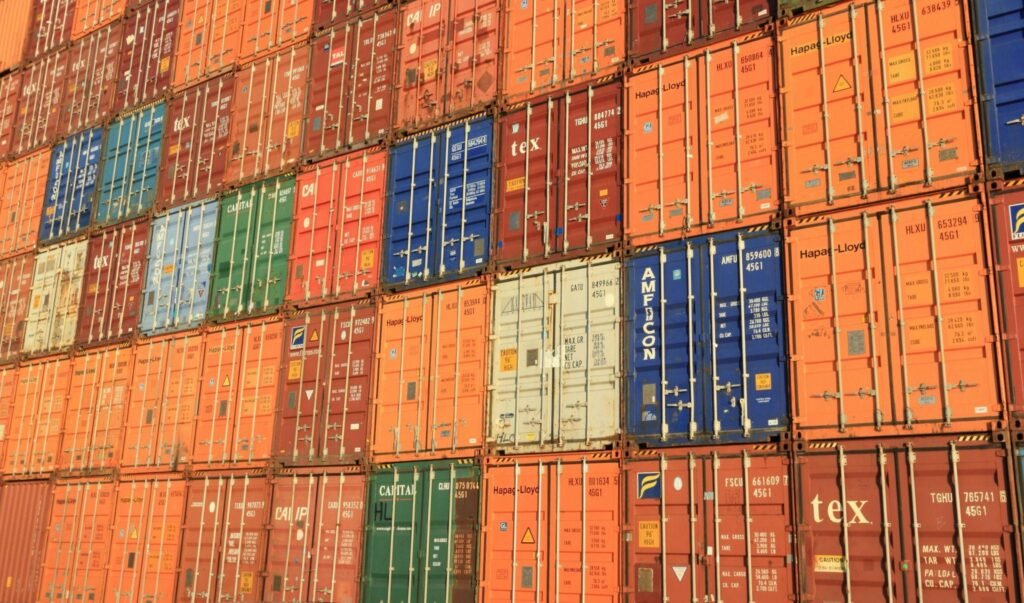
The supply chain holds every link of trade together, from production lines to customer delivery. When global events interrupt normal routines, that chain absorbs the shock first. Businesses feel the effects quickly, which is why understanding these shifts makes a huge difference in planning and response.
How Global Events Disrupt the Supply Chain
Various global events influence how freight moves, how long orders take, and how dependable routes remain. Even a minor disruption can ripple across several sectors.
1. Natural Disasters
Storms, earthquakes, and flooding often halt transport corridors. Ports may pause operations, and local trucking capacity shrinks. A World Bank study highlights that weather-related disruptions remain a leading cause of slowdowns across international trade routes.
2. Political or Trade Shifts
New trade policies, border restrictions, or tariff changes influence how shipments are processed. These policies can introduce unexpected expenses or longer clearance periods, especially during international movement.
3. Global Health Events
Pandemics disrupt staffing, port availability, flight frequency, and factory output. We saw how quickly supply chains became strained when health-related restrictions affected transport schedules.
4. Economic Instability
Fuel price fluctuations, labor shortages, or inflation affect freight rates. When costs rise quickly, carriers adjust pricing, which impacts long-term planning for businesses that rely heavily on freight services.
Why Businesses Need a Prepared Supply Chain Strategy
A prepared supply chain helps companies respond calmly rather than scrambling when disruptions occur. Below are key areas that strengthen resilience.
1. Route Flexibility
Relying on one shipping lane increases risk. Businesses benefit from having backup routes or alternate transport modes ready. For example, if ocean freight faces congestion, shifting some loads to air or rail reduces downtime.
2. Strong Communication With Your Logistics Partner
A trustworthy logistics partner shares updates quickly, offers clear options, and helps businesses adjust before issues grow. Good communication prevents confusion and keeps teams aligned when conditions change.
3. Inventory Buffering
Even a modest buffer helps shield against delays. Many companies now use safety stock for high-demand items, giving them extra time to reorganize routes during unpredictable moments.
4. Real-Time Tracking Tools
Businesses rely heavily on tracking tools when delays occur. These platforms help teams monitor vessel schedules, shipment milestones, and potential slowdowns caused by global events. Transparent systems reduce stress and help teams adjust timelines with customers.
How to Stay Prepared for Supply Chain Shifts
Below are practical steps companies can use to stay steady, even when global news affects transport systems.
1. Study Historical Patterns
Reviewing how previous events affected freight helps predict future risks. Many industry reports and logistics insights are available from sources like the International Transport Forum.
2. Build Partnerships Instead of One-Off Contracts
Long-term partnerships create smoother decision-making. A dependable logistics provider already understands your routes, your volume, and your timing needs. That familiarity helps fast-track solutions during disruptions.
3. Strengthen Documentation Accuracy
Incomplete paperwork slows down movement during tense periods. Ensure every shipment has clean, accurate documentation to prevent unnecessary stops at borders or customs facilities.
4. Use Technology for Demand Forecasting
Digital forecasting tools help predict upcoming spikes or drops, allowing teams to adjust their shipping schedule early. Even minor forecasting improvements reduce pressure on the supply chain during peak periods.
Conclusion
A steady supply chain depends on preparation, reliable communication, and support from a logistics partner that responds quickly when global events change the pace of trade. Companies that invest in flexible planning often recover faster and maintain customer commitments. Many businesses trust experienced providers like Kairos Express to help them stay ready for anything the global market throws their way.